Look for the kind of information offered
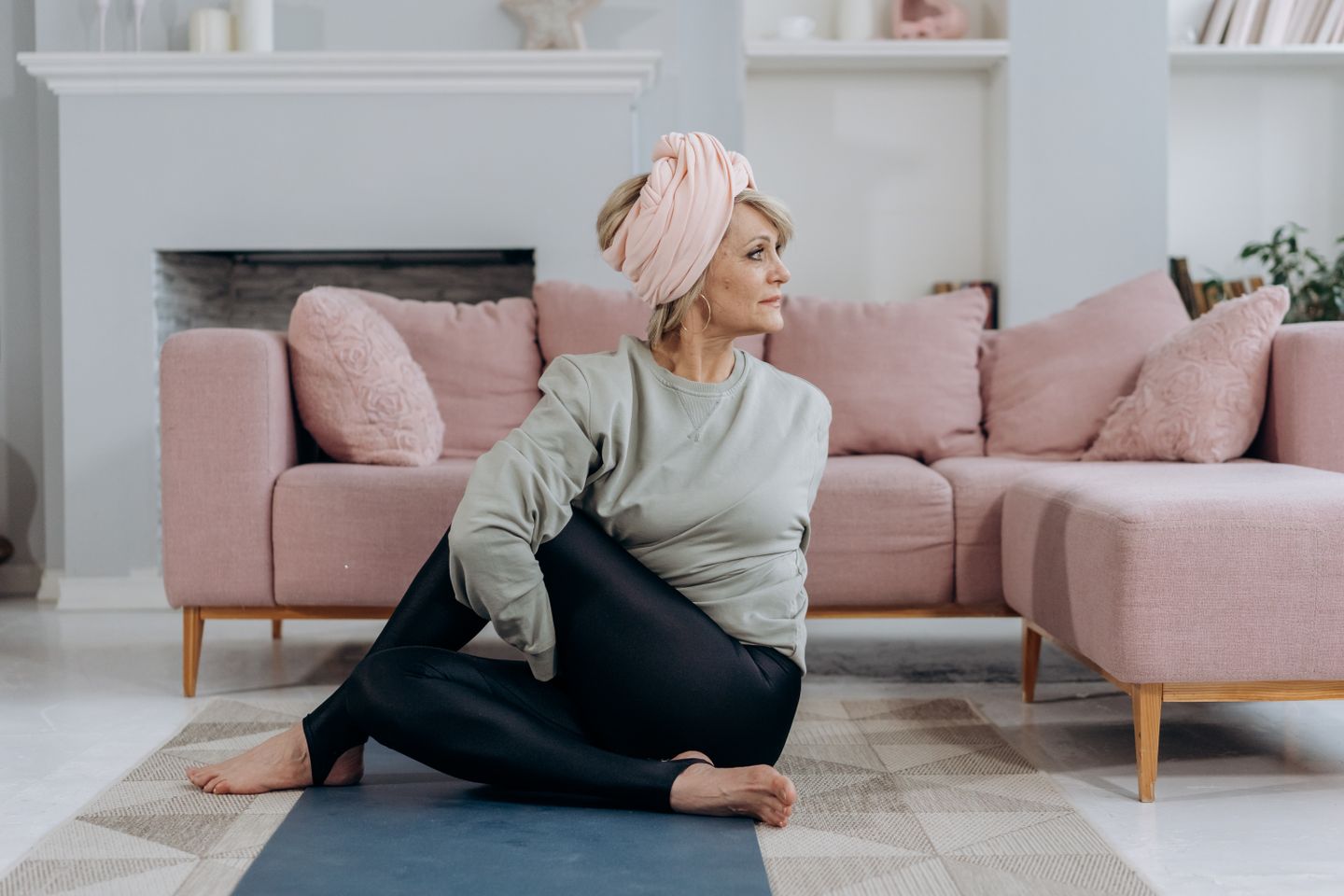
A page about setting up a yoga corner answers a different question from guidance about a medical condition. Notice whether a writer describes ordinary experience, research, professional instructions, or a service. A polished photograph and confident heading do not establish expertise.
Be cautious about promises that one practice will cure a problem or work for everyone. Yoga, massage, and relaxation cover different activities and circumstances. A short online article cannot know which approach fits a particular reader.
Keep the next step specific
Use editorial notes for the practical choices they can support, such as preparing a question for a teacher or making a room easier to use. For health questions, consult reliable health information and an appropriately qualified professional. Do not delay needed care because of something a general journal suggests.
Keep a source link beside a point you want to revisit, and check that it addresses your actual question. A good reading habit leaves uncertainty visible rather than turning every interesting idea into an instruction.
Further reading: NCCIH on massage and NCCIH on relaxation.
Published by the Setavela journal.